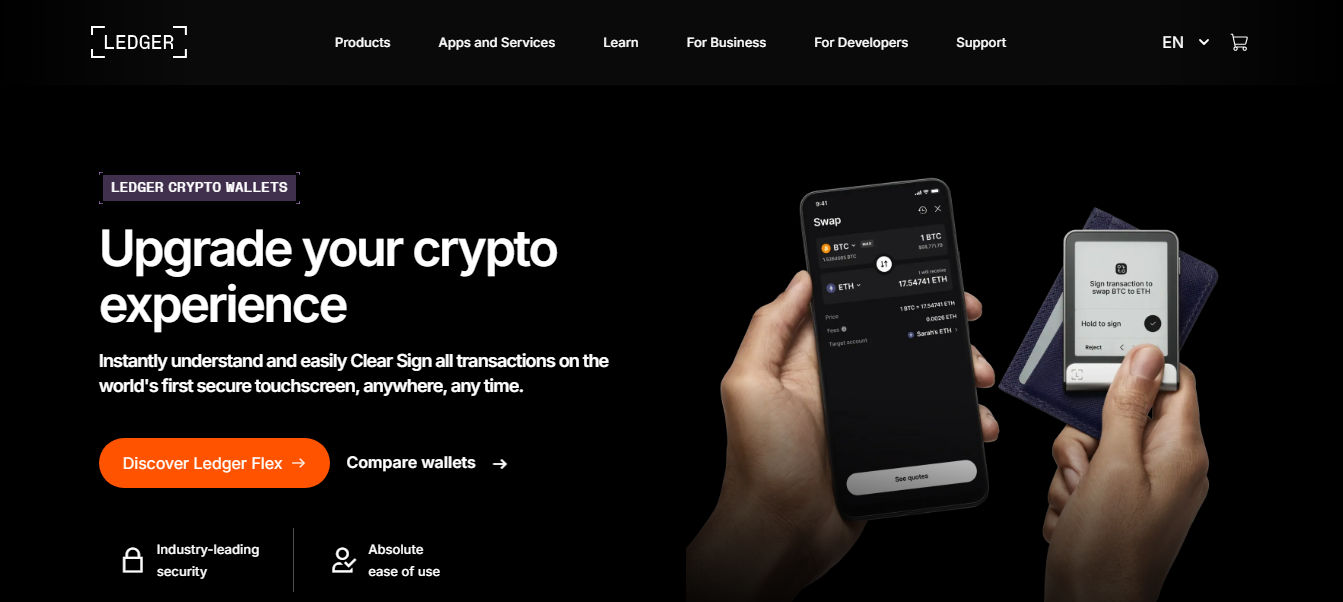
Ledger.com/start – A Practical, Modern Guide to Ledger Wallets and Secure Crypto Ownership
As cryptocurrency becomes part of everyday finance, the way people store and protect their digital assets matters more than ever. Hacks, phishing attacks, and exchange failures continue to remind users that convenience often comes at the cost of control. This is where hardware wallets step in, and Ledger.com/start plays a critical role in helping users begin safely.
Rather than being just a setup page, Ledger.com/start acts as the official gateway for initializing Ledger devices, installing verified software, and ensuring that private keys remain under the user’s control from day one. This article takes a balanced, easy-to-read approach, combining explanation, real-world context, recent product updates, and common questions—without overloading you with lists or technical jargon.
Understanding Ledger.com/start
Ledger.com/start is the official onboarding page provided by Ledger for setting up its hardware wallets, including popular models like Ledger Nano S Plus and Ledger Nano X. The purpose of this page is simple but crucial: it ensures that users begin their crypto journey using authentic software and a verified process.
When someone buys a Ledger device, it does not come preconfigured with wallets or private keys. This is intentional. The actual creation of private keys happens only after the user connects the device and follows the guided process through Ledger.com/start. By doing so, Ledger minimizes the risk of supply-chain attacks, fake apps, or compromised firmware.
In practical terms, Ledger.com/start is where security habits begin.
Why Ledger.com/start Still Matters in 2025
The crypto environment in 2025 is more advanced, but also more dangerous. Scam websites now look identical to real ones. Fake wallet apps appear in search results, and malicious browser extensions target unsuspecting users.
Ledger.com/start exists to reduce these risks by guiding users to:
Install only official Ledger software
Verify device authenticity
Update firmware securely
Create wallets in an offline, controlled environment
Most crypto losses today are not caused by broken technology, but by shortcuts taken during setup. Ledger.com/start forces users to slow down and follow best practices at the most sensitive moment: when private keys are first created.
Ledger Devices and Recent Product Direction
Ledger has expanded its ecosystem beyond basic storage. Modern Ledger devices are designed not just for holding crypto, but for interacting safely with a wide range of blockchain applications.
Recent updates and improvements include better transaction clarity on device screens, expanded support for newer tokens, and improved performance when interacting with DeFi platforms. Ledger Live, the companion application installed during setup, now provides a cleaner portfolio overview and smoother account management for both beginners and experienced users.
Another noticeable shift is Ledger’s focus on transparency during transactions. Users are encouraged to verify details directly on the hardware screen, reducing the risk of approving malicious or misleading transactions.
The Setup Experience Through Ledger.com/start
Setting up a Ledger wallet through Ledger.com/start is designed to be guided and deliberate. After connecting the device, users are prompted to install Ledger Live, update firmware if necessary, and create a new wallet.
The most important moment during this process is the generation of the recovery phrase. This phrase is shown only once, directly on the device, and acts as the master backup for all funds. Ledger’s approach emphasizes personal responsibility here: no screenshots, no cloud backups, and no shortcuts.
Once the setup is complete, the device becomes the gatekeeper for every transaction. Even if a computer is compromised, private keys never leave the Ledger device.
Ledger Live: More Than Just a Wallet App
Ledger Live has evolved into a full portfolio management tool. After completing setup through Ledger.com/start, users rely on Ledger Live to manage assets, view balances, and interact with supported blockchains.
The application supports a growing number of cryptocurrencies and tokens, and it integrates features such as staking, NFT visibility, and DeFi access. Importantly, Ledger Live acts only as an interface. All sensitive actions still require physical confirmation on the hardware wallet.
This separation between interface and key storage is what makes hardware wallets fundamentally different from software wallets.
A Realistic View on Self-Custody
Self-custody is empowering, but it also shifts responsibility entirely to the user. Ledger.com/start does not promise convenience at any cost. Instead, it introduces users to a more disciplined approach to managing money.
For example, losing a Ledger device is not a disaster if the recovery phrase is stored correctly. On the other hand, losing that recovery phrase means losing access to funds permanently. This trade-off is central to crypto ownership and is something Ledger makes clear during setup.
Many long-term holders appreciate this clarity. It removes reliance on third parties and puts control exactly where crypto was designed to place it: with the individual.
Common Questions New Users Ask
People new to Ledger often wonder whether Ledger.com/start needs to be used every time they access their wallet. In reality, it is mainly used for first-time setup, firmware updates, or recovery. Daily use happens through Ledger Live.
Another frequent concern is security if the computer is infected with malware. While malware can attempt to trick users, it cannot steal private keys from a Ledger device. This is why verifying transaction details on the device screen is essential.
Users also ask whether Ledger wallets will still work if the company disappears. The answer is yes. The recovery phrase follows open standards and can be used with compatible wallets, independent of Ledger as a company.
Ledger Wallets vs Exchange Storage
Storing crypto on an exchange may feel easier, but history shows that access can be restricted without warning. Withdrawals can be paused, accounts frozen, or platforms shut down entirely.
Ledger wallets, when set up properly through Ledger.com/start, remove this dependency. The user holds the keys, controls access, and decides when and where funds move. For long-term holders, this independence is often the primary reason for choosing a hardware wallet.
Developing Good Long-Term Habits
Ledger.com/start is not just about software installation; it encourages habits that last beyond setup. Taking time to understand recovery phrases, verifying transactions, and keeping firmware updated all contribute to safer crypto use over time.
Experienced users often separate assets into different accounts, using one for long-term storage and another for active use. Ledger devices support this approach without exposing private keys.
Looking Ahead
As regulation, institutional adoption, and new blockchain technologies continue to shape crypto, self-custody remains a core principle. Ledger.com/start is designed to prepare users for this future by emphasizing verification, ownership, and personal responsibility from the very beginning.
Hardware wallets are no longer niche tools used only by experts. They are becoming standard equipment for anyone who wants to hold crypto seriously and securely.
Final Thoughts
Ledger.com/start is the foundation of the Ledger ecosystem. It ensures that wallets are set up correctly, devices are verified, and users understand the responsibility that comes with owning crypto.
In a space where mistakes are often irreversible, starting with the right process matters. Ledger.com/start helps users take that first step with clarity, structure, and security—setting the tone for safer crypto ownership long after the setup is complete.